Continental Tyres - Balaji Tyres - Articles
Continental To Present Next-Gen Tyre Solutions For Autonomous Driving At Tire Technology Expo
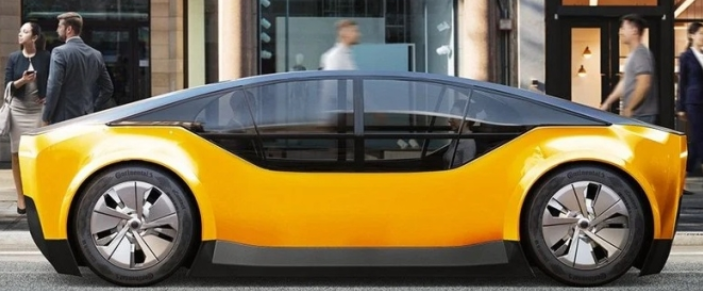
Continental is set to make a significant impact at the upcoming Tire Technology Expo in Hannover with a strong presence at the technical conference scheduled for 3 March 2026. The company will kick off the event with a major presentation centred on the evolution of tyre technologies designed to meet the demands of autonomous driving. Dr Andreas Topp, who leads Platform Development and Industrialisation for passenger car tyres at Continental, will illustrate how the vision of autonomous vehicles is transitioning into everyday reality and how the tyre manufacturer is proactively developing innovative solutions to support this shift.
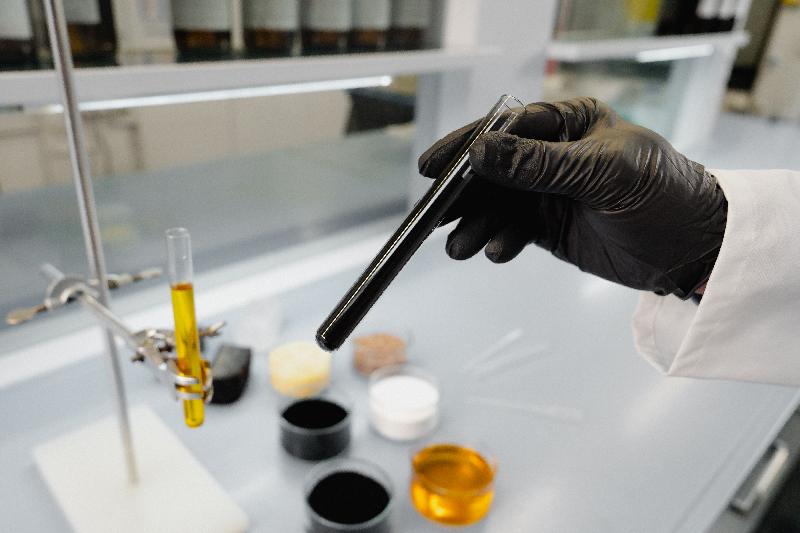
In addition to the opening session, Continental experts will deliver three further presentations, each addressing critical areas of tyre science and environmental regulation. One of these will explore the use of recovered carbon black derived from end-of-life tyres as a filler material. Professor Jorge Lacayo-Pineda, a specialist in materials evaluation, will delve into the complexities of identifying this material within vulcanised rubber compounds. Recovered carbon black, primarily obtained through pyrolysis, represents a milestone as the first industrially scalable filler sourced from discarded tyres. It is not considered a direct substitute for conventional carbon black but rather a distinct category of filler due to its unique composition, which includes carbon residues and a specific thermal background. Professor Lacayo-Pineda will examine the technological and regulatory possibilities that arise from detecting this material in new tyre compounds, focusing on reliable identification techniques such as electron microscopy and molecular spectroscopy.
Another key presentation will broaden the conversation around tyre emissions. Dr Frank Schmerwitz, a senior test engineer specialising in tyre wear, will address the limitations of current discussions that predominantly focus on tyre and road wear particles. He will highlight additional pathways of mass loss that are not captured by conventional measurements. His talk will consider the release of nanoparticles, the persistence of wear residue on road surfaces and the chemical degradation of this material due to environmental factors like oxygen and ultraviolet light, aiming for a more complete scientific picture.
The final presentation will tackle the complexities of modern tyre development in the context of new regulatory frameworks. Dr Pavel Ignatyev, an expert in rubber friction and wear physics, will discuss how the introduction of standardised abrasion limits and measurement methods under the Euro 7 regulation is reshaping innovation in the industry. He will explain the various parameters influencing tyre wear and how they interact with these new requirements. Through simplified models, he intends to demonstrate the intricate nature of tyre wear and outline the collective challenges that remain for the industry, emphasising that a deep understanding of these dynamics is crucial for translating regulatory mandates into effective technological advancements.
Dr Topp said, “The future of self-driving vehicles has begun. We are developing tyre technologies and products that meet the unique technical requirements of these vehicles. This includes topics such as interaction with smart vehicle dynamic controls, optimised fleet operations and tailored solutions for specific use profiles.”